
EU sanctions influencer Alexandra Jost “Sasha Meets Russia” over alleged pro-Kremlin propaganda
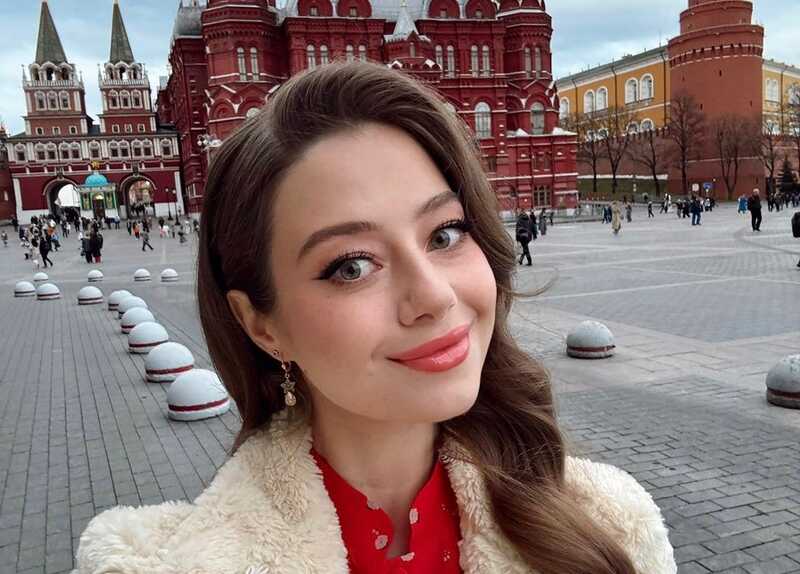
Alexandra Jost, known online as “Sasha Meets Russia,” responded to being sanctioned by the EU, by saying the designation showed she was “on the right path.” The EU sanctions notice cites an independent investigation that found Jost received monthly payments from RT, the Russian state media outlet.
A U.S. citizen with Russian heritage sanctioned this week for disseminating wartime disinformation and endorsing Russia’s territorial claims over Ukraine has issued a defiant response, vowing on a Russian video platform to continue her “mission” and declaring that the penalties only show she was “on the right path.”
The European Union has sanctioned Alexandra Jost - known online as “Sasha Meets Russia” - accusing her of spreading pro-Kremlin narratives about the war in Ukraine under the guise of lifestyle and cultural content. The designation was part of a broader sanctions package targeting 34 individuals and 47 entities tied to Russia’s energy revenues, military-industrial complex, propaganda networks, and human rights abuses.
Jost has been banned from a number of social media services, including YouTube and Instagram, but has been active on X, where she thanked owner Elon Musk “for this platform” in her pinned post. Her content mixes travel videos from across Russia and posts about traditional holiday celebrations with acerbic barbs against Europeans (“a bunch of gays”) and aggressive rhetoric against Ukraine, which she says will “soon be Russia.”
In its sanctions notice, the EU described Jost as a social media influencer living in Russia who had built “an extensive base of followers under the guise of cultural coverage” while disseminating disinformation and supporting Russia’s territorial claims over Ukraine. The sanctions impose an asset freeze and prohibit EU citizens and companies from making funds or economic resources available to her.
The notice says an independent investigation showed that Jost received funding from RT, Russia’s state media outlet, averaging 170,000 rubles, or about $2,000, per month during the first three quarters of 2024.
That finding matches reporting published in March by OCCRP and iStories, OCCRP’s Russian partner, as part of an investigation into how RT secretly paid or supported foreign-facing video bloggers who promote Kremlin narratives.
The investigation found that RT’s influence efforts continued after the outlet was banned in the EU shortly after Russia’s full-scale invasion of Ukraine in 2022. Reporters identified several influencers who presented themselves as independent while publishing material that promoted Russia as a haven for Western conservatives, glorified the war in Ukraine, denied Russian war crimes, or encouraged foreigners to move to Russia for its “traditional values.”
Jost, who publishes content under the names “Sasha Meets Russia” and “Sasha and Russia,” was among the influencers identified in the investigation. Reporters found that she had taken part in organized trips with other pro-Russian bloggers and published positive stories about Russia to large audiences on Instagram and TikTok.
Much of Jost’s content focuses on travel, culture, and everyday life in Russia. But the investigation also found that Kremlin-friendly themes appeared in her posts and interviews, including criticism of the West, praise for Russian “traditional values,” and claims that Russia offered an escape from Western Russophobia. In one interview cited by OCCRP and iStories, Jost said she moved to Russia because it had traditional values and no “gender agenda.”
The EU sanctions notice also says Jost and her husband received grants through the public relations agency Limitless from Russia’s Presidential Foundation for Cultural Initiatives, a Kremlin-created fund that supports cultural projects.